
Poetic Rendering

The wealthy build temples of stone,
I, a humble soul, what can I offer?
My legs, the pillars; my body, the shrine;
My head, the golden dome.
Hear me, O Koodalasangamadeva:
Stone temples crumble,
but this living temple my body, my being
shall endure forever.
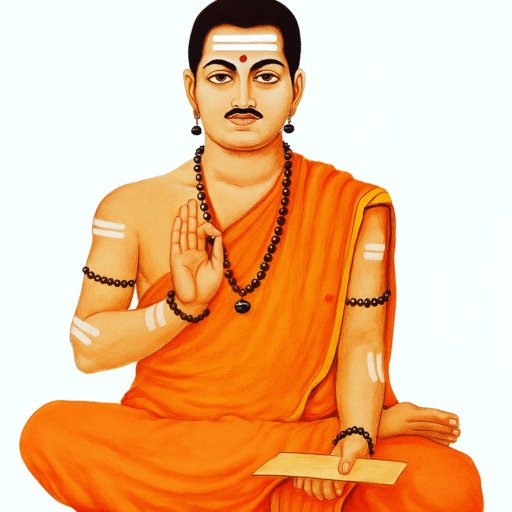
Basavanna proclaims that the true temple is not made of stone but is the human body itself, animated by divine consciousness. External temples, though grand, are impermanent; the indwelling Linga within each person is eternal. Spirituality is thus democratized: it does not require wealth, status, or ritual. Every act, breath, and movement can consecrate this “living temple,” making each individual both devotee and sanctuary. The Vachana emphasizes self respect, ethical living, mindful action, and seeing the sacred in oneself and others the ultimate pilgrimage is inward, toward the indwelling divine.
Spiritual Context
Core Spiritual Principle: The most sacred temple is not an external structure but the living, breathing human body. True worship is the conscious recognition and sanctification of the body as the abode of the Divine.
Cosmic Reality Perspective: The non dual reality (Shivadvaita) posits that the Supreme Consciousness (Linga) is not confined to any location but pervades all existence. The human body, with its complex nervous system and capacity for self awareness, is a uniquely potent and conscious manifestation of this universal spirit. To realize the divine within the body is to realize it in its most immediate and accessible form.
Historical Reality (Anubhava Mantapa Context): This is a foundational Vachana of the Lingayat revolution. It directly challenges the priestly monopoly and the socio economic hierarchy of traditional temple based religion, where the wealthy gained merit through grand constructions. Basavanna, speaking as a “poor man,” declares that the most profound spiritual truth is available to everyone, regardless of wealth or status. It empowers the common person, making them the sovereign of their own spiritual destiny.
Interpretation
1. “The wealthy build temples of stone, but I, a poor man, what can I offer?” The Vachana begins by contrasting two paradigms of offering: the external, material offering of the wealthy and the internal, personal offering of the humble seeker. This establishes a spiritual democracy where value is not measured in wealth.
2. “My legs are the pillars, my body the shrine, my head the golden dome.” This is the core revelation. Basavanna systematically maps the architecture of a temple onto the human form: Pillars (Legs): Represent stability, foundation, and the capacity to move through the world righteously (Dharma). Shrine (Body): The central sanctum (garbhagriha), the inner chamber where the Linga (consciousness) is enshrined. Golden Dome (Head): Represents the highest principle, the seat of enlightenment and the connection to the cosmic. The “gold” symbolizes the supreme value of a purified mind.
3. “Hear me, O Koodalasangamadeva: temples of stone may crumble to dust, but this living temple shall never perish.” This is the triumphant conclusion. The external temple is subject to the laws of time, decay, and destruction. The “living temple” of the body, however, is not the perishable physical form but the indwelling consciousness (Linga) that animates it. This consciousness is eternal and imperishable. The realization of this truth is itself the “temple” that never falls.
Practical Implications: The seeker is guided to: Shift their focus from external ritual in holy places to internal sanctification of their own being. Practice seeing their own body and the bodies of others as sacred temples, worthy of respect and care. Understand that spiritual practice is the maintenance and consecration of this living temple.
The Cosmic Reality
Anga (Human Dimension): The Anga is the “living temple” the human body mind complex that is consciously recognized and offered as the sacred abode of the Divine.
Linga (Divine Principle): The Linga is the indwelling deity, the conscious presence that is enshrined within the sanctum of the body. It is the “life” in the “living temple.”
Jangama (Dynamic Interaction): The Jangama is the active process of consecration the conscious offering of one’s legs in service, one’s body in righteous conduct, and one’s head in meditation. It is the dynamic worship that happens within the living temple.
Shata Sthala
Primary Sthala: Pranalingi Sthala. This Vachana is the definitive expression of this stage. The Pranalingi is one for whom the Linga is no longer an external symbol but is vibrantly alive within the core of their own life force (Prana) and bodily existence.
Supporting Sthala: Bhakta Sthala. The initial devotion of the Bhakta finds its ultimate fulfillment here, where the object of devotion is discovered within. Aikya Sthala is the state where the distinction between the temple (body) and the deity (consciousness) dissolves completely.
Practical Integration
Arivu (Awareness Practices): Body as Temple Meditation: Sit in meditation and visualize your body as a sacred temple. Feel your spine as the central axis, your heart as the inner sanctum, and the crown of your head as the shining dome. Invite the feeling of the divine presence dwelling within this sacred space.
Mindful Consecration: Throughout the day, consecrate your actions: “These legs walk for You. This body serves as Your shrine. This mind contemplates You.”
Achara (Personal Discipline): Treat your body with respect through clean living, wholesome food, and ethical conduct. Do not defile the “temple” with toxins or negative actions.
Kayaka (Sacred Action): Let your work be the daily maintenance and decoration of the temple. Offer the fruits of your labor to the indwelling deity.
Dasoha (Communal Offering): Honor the “living temple” in every person you meet. Serve the community by helping others recognize and care for their own divine abode.
Modern Application
“Externalized Seeking and Body Negativity.” Modern culture often promotes a disconnect from the body, viewing it either as a project to be optimized, an object for consumption, or a source of insecurity. Spirituality can become another external search, with people traveling to distant ashrams while ignoring the sacredness of their own embodied existence.
The Liberative Application: This Vachana offers the ultimate homecoming. It liberates us from the endless search “out there” and brings the quest back to the most intimate ground of our being: our own body. It transforms body image issues into a recognition of sacred architecture. It provides a spiritual basis for self care and holistic health, framing them as acts of worship and temple maintenance.
Essence
Why seek God in a house of stone,
when the blueprint of the cosmos is written in your bone?
Your breath is the bell, your heartbeat the drum,
the silence between thoughts, the divine hum.
The rich man’s temple will return to the land,
but the temple that you are will forever stand.
This Vachana performs a monumental shift in spiritual ontology. It transfers the locus of the sacred from the external, constructed world to the internal, given reality of the human being. Its multidimensional impact is to collapse the distance between the worshipper and the worshipped, making spirituality an utterly immediate and personal reality. It positions the Jangama as the fully realized state of this truth a human being who moves through the world as a conscious, walking, breathing temple, making every place sacred by their presence.
You are not a sinner in a profane body seeking a sacred space. You are the sacred space. The holiness you seek in temples, churches, and mosques is already alive within you. Your very existence is a miracle and an altar. Stop searching for divinity in distant locations and start maintaining the temple you inhabit. The most profound pilgrimage you can ever make is the journey inward to the sanctum of your own heart.

Views: 18